Health and Safety Policy for Bathroom Cleaning and Sanitation
This document sets out the health and safety policy for professional bathroom cleaning, restroom hygiene and washroom maintenance activities. Its purpose is to describe safe working arrangements, responsibilities and minimum standards for cleaning toilets, showers and associated facilities while protecting staff, building users and visitors from harm. The scope covers routine bathroom cleaning, periodic deep cleaning, and responsive cleaning for spillages and contamination across all premises where washroom cleaning operations occur.Roles, Responsibilities and Accountability
Managers and supervisors will ensure that those assigned to restroom cleaning tasks are competent, provided with appropriate equipment and instructions, and monitored. Cleaning staff must follow written procedures, wear required personal protective equipment and report hazards. Contractors contracted for toilet cleaning work must supply risk assessments and method statements and cooperate with on-site safety measures. Supervision includes routine checks, safe work observations and ensuring that cleaning rotas reflect risk and usage. Everyone involved shares responsibility for maintaining safe, hygienic washroom conditions.
Risk Assessment and Hazard Controls
Before any bathroom cleaning task, a risk assessment shall identify slip and trip risks, chemical exposure, biological contamination (including bodily fluids), manual handling risks and sharps hazards. Control measures include substitution of hazardous products where practical, safe systems of work, and use of appropriate spill kits. The assessment also considers environmental controls such as ventilation and lighting. All identified risks must be recorded and reviewed regularly or when conditions change.Personal Protective Equipment and Infection Control
Cleaning operatives must be supplied with and use appropriate PPE, including gloves, aprons, eye protection and footwear with slip-resistant soles. Disposable or washable PPE arrangements should be specified with procedures for safe removal to avoid cross-contamination. Hand hygiene is mandatory before and after cleaning activities; alcohol hand rub or soap and water must be available. For tasks with increased exposure risk, such as dealing with bodily fluids, additional respiratory protection and face shields may be required.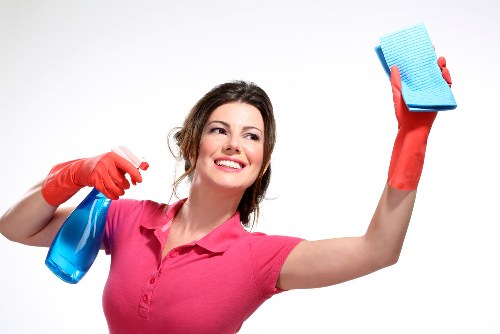
Approved Cleaning Methods and Chemical Safety
Use only approved cleaning agents and disinfectants, applied according to manufacturer instructions and dilution rates. Ensure chemicals are stored securely and labelled, with safety data sheets accessible. Avoid mixing chemicals and provide training on chemical hazards and first-aid measures. Routine washroom cleaning should address high-touch surfaces, toilets, sinks, partitions and floors. Where possible, adopt cleaning methods that reduce aerosol generation and prioritize surface disinfection for bathroom sanitation.Safe use of equipment, including mechanical floor cleaners or pressure washers where authorized, requires training and risk assessment. A simple checklist for each shift should include signage placement to warn of wet floors, verification of product dilution, ventilation checks and confirmation that sharps or hazardous waste have been segregated. Lock-out or isolation procedures must be used for maintenance works involving electrical or plumbing systems.
Waste Management and Disposal
All waste from bathroom cleaning, including sanitary products, disposable PPE and contaminated consumables, must be segregated into clearly labelled containers and disposed of in accordance with safe waste handling procedures. Sharps found in washrooms must be handled with a designated sharps box and removed by trained personnel. Reusable linens should be handled minimally and laundered at appropriate temperatures to maintain hygiene.![A young woman with fair skin and light brown hair, smiling gently while lying on a clean, white surface in a kitchen or utility room. She is wearing bright yellow rubber cleaning gloves and appears to be resting her head on her forearms, which are folded in front of her. In front of her is a round, white scrub brush with densely packed bristles, indicating she is engaged in cleaning activity. To her right, there is a transparent spray bottle containing a clear cleaning solution, with a blue cap visible in the background. The background is plain and white, emphasizing a professional and tidy setting, consistent with residential or commercial cleaning services in the UK, especially near [POSTCODE] or [TOWN]. The overall scene conveys a friendly, approachable attitude towards professional cleaning, suitable for the context of a health and safety policy page for a cleaning company like Bathroom Cleaning, reflecting attention to hygiene and safety standards in domestic or business environments.](/pub/_photos/cleaning/f1427089760.jpg)
Training, Competence and Record Keeping
Staff involved in toilet cleaning shall receive initial and refresher training covering safe chemical use, PPE, manual handling, infection control and spill response. Training records, risk assessments, equipment maintenance logs and incident records must be maintained to demonstrate compliance with internal safety standards. Supervisors should conduct periodic audits of washroom cleaning performance and safety practice to identify training needs and improvement opportunities.