Bathroom Cleaning: Recycling and Sustainability Promise
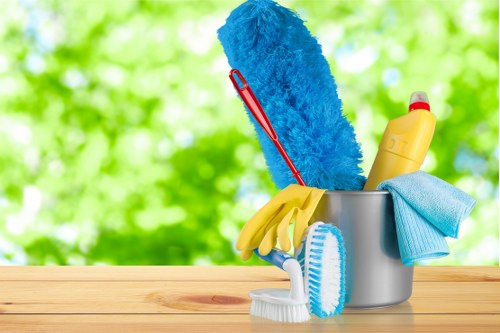 Bathroom Cleaning doesn't stop at sparkle ??? it extends to how we handle waste, packaging and the lifecycle of cleaning products. This page outlines our sustainability approach to bathroom cleaning services and eco-friendly bathroom maintenance. We aim to set a clear recycling percentage target for all cleaning operations, reduce transport emissions with low-carbon vans, and work closely with local transfer stations and community partners to divert as much material as possible from landfill.
Our green cleaning initiatives cover professional bathroom cleaners and everyday cleaning bathrooms routines alike. We recognize that many boroughs operate a separate collection system for glass, metal, paper and mixed plastic, and we design our sorting at source to match those local models. By aligning with municipal waste separation rules ??? such as distinct bins for glass and food-contaminated items ??? our teams ensure recyclable materials from bathrooms are not contaminated and can be accepted at recycling facilities.
![A close-up image of a woman with fair skin and brown hair, focusing on her hands as she holds a yellow microfiber cloth, cleaning a surface in a well-lit kitchen or bathroom area. The background features a light blue wall and a window allowing natural light to fill the space, highlighting the clean and tidy condition of the area. The woman's expression is focused, indicating a careful cleaning task possibly undertaken by professional cleaning services. The scene emphasizes attention to detail in maintaining hygienic surfaces, relevant to professional cleaning standards offered by Bathroom Cleaning near [POSTCODE] in [TOWN], reflecting the company's commitment to quality in residential or commercial spaces within the local area. The image is suitable for illustrating cleaning activities that promote sustainability and environmental responsibility in line with the company's recycling and sustainability initiatives.](/pub/_photos/cleaning/f1443097656.jpg)
Ambitious Recycling Percentage Target
We have set a bold recycling percentage target: 70% of all bathroom-related waste will be recycled or reused within three years of implementation. This target covers packaging from bathroom cleaning products, empty containers, recyclable wipes packaging where possible, and any sorbent materials that can be processed. Achieving this requires coordination with local transfer stations, improved on-site separation and creative reuse pathways.To support this goal, our crews carry clear labeling kits and temporary segregation bags so that recyclable streams are separated at the point of collection. For professional bathroom cleaning jobs and regular domestic bathroom cleaning visits, we collect eligible plastic bottles, rinseable containers, and any cardboard packaging from eco toilet cleaners and similar products. Where local boroughs accept small aerosol cans with mixed recycling, we follow the prescribed approach; where they don't, those items are taken to designated transfer facilities.
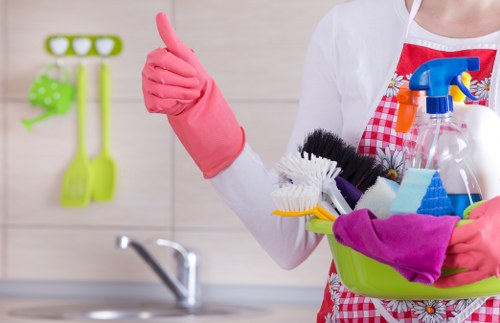
Working with Local Transfer Stations
We partner with municipal and regional transfer stations ??? for example Central Transfer Station and Riverside Transfer Station ??? and private consolidation yards that process sorted streams into recyclable loads. These transfer points are essential because they accept and rework segregated bathroom waste into commodities that recyclers can process. We also track tonnages delivered to these hubs to verify progress toward our recycling percentage target and to report transparently on diversion rates.Our chain of custody procedures ensure that materials collected from cleaning bathrooms or commercial bathroom cleaning contracts are traceable. This includes recorded drop-offs at transfer stations and documentation for items that move into reuse channels. We also perform periodic audits with transfer station partners to reduce contamination and to encourage the acceptance of additional materials where feasible.
Partnerships with charities and community groups are a cornerstone of our reuse strategy. We donate unopened or lightly used bathroom cleaning products and bulk packs that are safe for redistribution to local charities such as CleanStart Community Projects and ReUse Homes Alliance, which support household resilience and reuse programs. By supporting these partners, we extend the useful life of packaged cleaning products and avoid creating unnecessary waste streams.
![A woman with short dark hair, smiling, in a light grey long-sleeved top and yellow rubber cleaning gloves, is holding a spray bottle filled with blue liquid in her right hand and a cleaning sponge in her left hand. The background is blurred with bright, natural lighting, suggesting an indoor environment. The scene emphasizes her preparation for cleaning tasks, representing professional cleaning services offered by Bathroom Cleaning in the UK, aligning with the themes of recycling and sustainability, and indicating a focus on environmentally friendly cleaning practices. The setting appears to be a residential or commercial space with clean surfaces, highlighting cleanliness and attention to hygiene, consistent with the company's service standards in the postcode area of [POSTCODE] near [TOWN].](/pub/_photos/cleaning/f1432299144.jpg)
Low-Carbon Vans and Transport Reductions
Our fleet transition is already underway: a growing proportion of our vehicles are low-carbon vans ??? including plug-in electric vans and hybrid light-commercial vehicles ??? used for both domestic and commercial bathroom cleaning services. These low-emission vehicles reduce tailpipe CO2 and local NOx emissions when travelling between sites and transfer stations. Route optimization software further reduces mileage, helping us meet fleet-wide carbon reduction targets and support broader local air quality objectives in busy boroughs.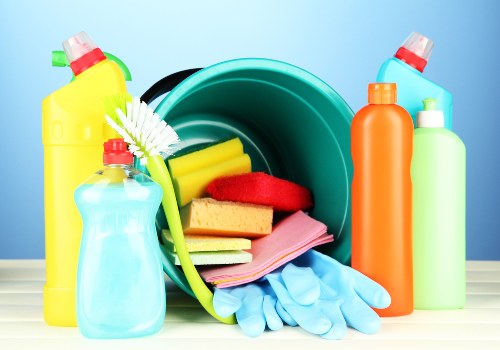 Recycling activities for bathroom maintenance include separate collection of plastic bottles, HDPE and PET containers, metal components (like pump heads where removable), and cardboard cartons; segregation of single-use mop heads and their recyclable cores where accepted; and collaboration with local borough schemes that may allow mixed recyclables or require strict separation. We also prioritize refillable and concentrated bathroom cleaning products to reduce packaging waste and encourage clients to choose concentrated bathroom cleaning products where available.
Continuous improvement is central: we monitor performance against the 70% recycling percentage target, refine our partnerships with transfer stations and charities, and expand the low-carbon van fleet. Training for bathroom cleaners emphasizes contamination prevention, correct labeling, and the benefits of reuse, so every cleaning visit becomes an opportunity to reduce environmental impact. We also pilot segregation innovations in different boroughs to reflect local waste separation rules and maximize acceptance at municipal facilities.
Moving forward, our sustainability program will expand the list of accepted recyclable bathroom items and deepen charity partnerships to find reuse avenues for surplus products. Through collaborative action with local residents, borough waste managers, transfer station operators and community charities, our approach to bathroom sanitation and cleaning aims to be responsible, measurable and aligned with local waste separation approaches.
Commitment summary: a minimum 70% recycling target across bathroom cleaning operations, active use of local transfer stations, formal partnerships with charities to redistribute usable products, and a steadily increasing fleet of low-carbon vans to cut transport emissions ??? all designed to make bathroom cleaning services both effective and sustainable.